
Lift chair buying mistakes to avoid
Buying a lift chair is a significant investment. Many people make avoidable mistakes that lead to discomfort, wasted money, or a chair that doesn't meet their needs. Here are the most common mistakes and how to avoid them.
Mistake 1: Not measuring before buying
This is the biggest mistake. Many people order a lift chair without measuring themselves or their space. The chair arrives and doesn't fit properly or won't fit through the door.
How to avoid it
Take these measurements before shopping:
- Your body measurements (hip width, leg length, height)
- Available floor space where the chair will sit
- Clearance needed when the chair reclines
- Doorway widths the chair must pass through
Our sizing guide explains exactly how to take these measurements.
Mistake 2: Choosing based on price alone
The cheapest lift chair isn't always the best value. Very cheap chairs often have weak motors, poor cushioning, and short warranties. They may break down quickly or never work properly.
How to avoid it
Set a realistic budget based on your needs, not just the lowest price you can find. Price alone does not establish durability. Compare the exact frame, lifting mechanism, stated weight capacity, warranty coverage, replacement-part availability and seller support.
Check our budget lift chair guide for affordable options that still offer good quality.

Mistake 3: Ignoring weight capacity
Buying a chair at or near your exact weight is risky. The motor and frame will wear out faster. The chair may struggle to lift you smoothly or stop working altogether.
How to avoid it
Choose a chair rated for at least 50-75 pounds more than you weigh. This gives you a safety margin and ensures the chair works smoothly for years.
If you need a higher capacity, see our guide on lift chairs for heavy people.
Mistake 4: Not considering your specific needs
People often buy a chair based on what looks nice or what's on sale, without thinking about their actual mobility needs.
How to avoid it
Ask yourself:
- Do I have weak knees that make standing difficult?
- Do I need to elevate my legs for circulation?
- Will I nap in this chair regularly?
- Do I have back pain that needs specific support?
- How many hours per day will I use this chair?
Your answers determine which features matter most. For example, if you have weak knees, motor power is more important than massage features. See our guide: Lift chairs for weak knees
Mistake 5: Overlooking space requirements
Lift chairs need clearance to recline. Many people don't realize how much space the chair needs until it arrives and won't fit in their intended spot.
How to avoid it
Measure the space where you plan to put the chair. Standard lift chairs need 4.5-5 feet of clearance in front when fully reclined. Wall-hugger models need only 4-6 inches from the wall but still need front clearance.
If space is limited, look at small lift chairs designed for apartments and smaller rooms.
Mistake 6: Not reading the warranty carefully
Many people assume all warranties are the same. They're not. Some cover only the frame, others include the motor and parts. Some require you to pay shipping for repairs.
How to avoid it
Before buying, check:
- What parts are covered and for how long
- Whether labor is included
- Who pays for shipping if repairs are needed
- Whether the warranty is from the manufacturer or seller
- What voids the warranty
Warranty coverage varies considerably. Check which components are covered, how long each component is covered, whether labor and shipping are included, who provides service and what actions may void coverage.
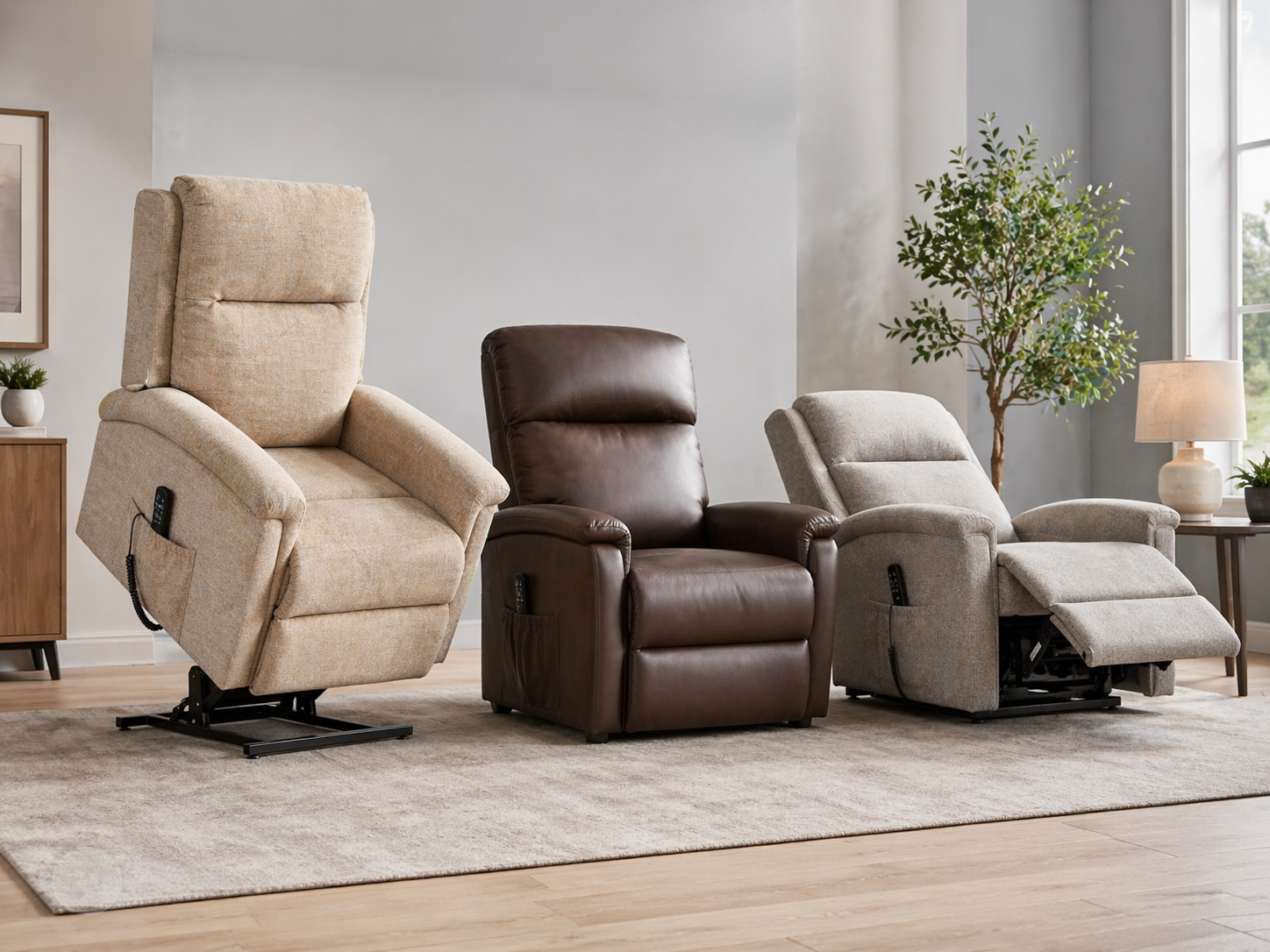
Mistake 7: Forgetting about delivery and setup
Lift chairs are heavy (100-200+ pounds). Many people don't realize they need help getting the chair inside and assembled.
How to avoid it
Ask about delivery options before buying:
- Curbside delivery: Cheapest but you handle everything
- Threshold delivery: They bring it inside your door
- White glove delivery: They bring it in, assemble it, and remove packaging
White glove delivery costs more but is worth it for most people. You don't risk injury trying to move a heavy chair, and you know it's assembled correctly.
Mistake 8: Not testing the position type
People often buy a two-position chair to save money, then realize they need more reclining options. Or they buy an infinite-position chair and never use the extra features.
How to avoid it
Understand the differences:
- Two-position: Good for sitting and light reclining
- Three-position: Better for napping and leg elevation
- Infinite-position: Best for specific comfort needs and back pain
Read our detailed comparison: Position types explained
Mistake 9: Buying without checking return policy
Some sellers don't accept returns on lift chairs, or charge high restocking fees. If the chair doesn't work for you, you're stuck with it.
How to avoid it
Before buying, confirm:
- Whether returns are accepted
- How long you have to return it
- Who pays return shipping
- Whether there's a restocking fee
Look for sellers offering at least a 30-day trial period. This gives you time to test the chair at home.
Mistake 10: Not considering future needs
Some people buy a chair for their current situation without thinking about how their needs might change. Mobility often decreases over time.
How to avoid it
Think ahead:
- Will you need more support in a few years?
- Might you need a higher weight capacity later?
- Could you benefit from features like heat or massage as you age?
It's often worth spending a bit more now for features you'll appreciate later, rather than replacing the chair in a few years.
Mistake 11: Skipping the comparison between lift chairs and recliners
Some people buy a lift chair when a regular recliner would work fine. Others buy a recliner and struggle to stand up from it.
How to avoid it
Understand the difference. A lift chair has a motorized mechanism that helps you stand. A recliner just reclines. If you can stand easily on your own, you might not need a lift chair.
Read our comparison: Lift chair vs recliner
How to make a smart purchase
Follow these steps:
- Measure yourself and your space
- Determine your specific needs (weak knees, back pain, etc.)
- Set a realistic budget
- Research position types and features
- Read warranties and return policies
- Check delivery options
- Compare several models before deciding
Our complete guide walks through this process: How to choose a lift chair
Related Guides
Best Lift Chairs for Seniors
Compare top lift chair options for comfort, support, room size, and daily use.
How to Choose a Lift Chair
Complete guide covering all features and considerations.
What Size Lift Chair Do I Need?
Detailed measuring guide to ensure you get the right fit.
Budget Lift Chairs
Affordable options that still provide quality and reliability.